
Explainer · July 20, 2026 · 6 min · By Quentin Asare
Fungal acne (malassezia folliculitis): why it does not respond to acne treatments
The uniform little bumps across your forehead, chest, and back may not be acne at all. Malassezia folliculitis is a yeast overgrowth that mimics breakouts, ignores every acne product you throw at it, and often gets worse on the antibiotics prescribed for the real thing. How to recognize it, why it resists acne treatment, and what actually clears it.
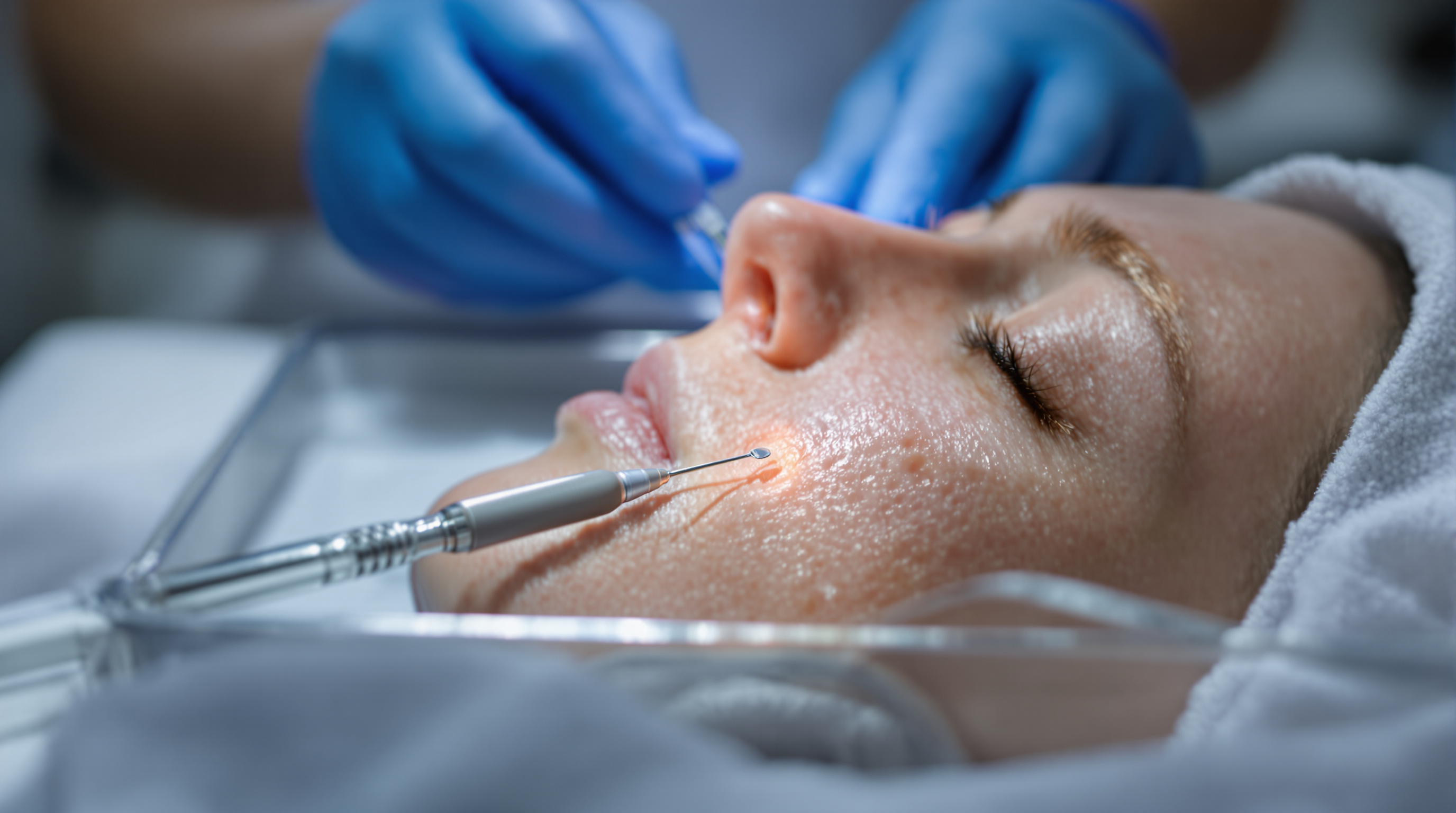
There is a specific kind of frustration that comes from doing everything right and getting nowhere. You have the retinoid, the benzoyl peroxide, the gentle cleanser, and a cluster of small bumps across your forehead or down your chest and back that will not budge no matter how faithfully you treat them. Before you conclude that your skin is uniquely stubborn, consider a possibility that gets missed constantly: what you are treating may not be acne. It may be malassezia folliculitis, a yeast-driven eruption that looks like acne, hides among real acne, and refuses to respond to acne care because acne care was never aimed at it.
What malassezia folliculitis actually is. Malassezia, once called pityrosporum, is a yeast that lives on nearly everyone's skin as a normal resident of the oil-rich areas. Under the right conditions it overgrows, slips into the hair follicles, and triggers an inflammatory response. The result is folliculitis: inflammation of the follicle. Because the trigger is a fungus rather than the bacterium Cutibacterium acnes that drives ordinary acne, the whole disease runs on different machinery. A thorough clinical review of malassezia folliculitis on PubMed describes it as chronically underdiagnosed, routinely mistaken for acne vulgaris, and frequently treated for months with the wrong tools before anyone questions the label.
How to tell it apart from acne. The tells are worth learning because they are fairly consistent. Fungal acne is monomorphic, meaning the bumps are strikingly uniform: small, one to two millimeter papules and pustules that all look alike, rather than the mixed blackheads, whiteheads, papules, and cysts of true acne. It clusters on the forehead, hairline, upper chest, shoulders, and back, the zones richest in the sebaceous glands the yeast feeds on. It usually itches, which garden-variety acne rarely does. And it tends to flare with heat, sweat, humidity, occlusive clothing, and, tellingly, after a course of oral antibiotics. It also breaks the usual rules of hygiene entirely, which is a useful reminder that acne is not a hygiene problem and neither is this: scrubbing harder does nothing against a yeast living inside the follicle.
Why acne treatments fail against it. This is the core of the confusion. Standard acne therapy is built to unclog pores, calm oil, and suppress bacteria, and none of those targets is the yeast. Benzoyl peroxide has some antifungal activity but is rarely enough on its own. Retinoids normalize how follicles shed, which is genuinely useful for the pore-clogging that drives real acne, but they do not kill malassezia. The exfoliating acids people reach for do not touch it either, though understanding what salicylic acid actually does inside a pore makes clear why: it works on keratin and oil, not fungal cell walls. So the routine that should be working simply is not, because it is aimed at the wrong organism.
The antibiotic trap. Here is the cruelest twist, and the single most useful clue. Oral and topical antibiotics, a first-line move for inflammatory acne, can make malassezia folliculitis worse. Antibiotics suppress the bacteria that normally compete with the yeast for space and resources, and the yeast, unbothered by drugs that target bacteria, expands into the room that opens up. So a patient with mixed acne and undiagnosed fungal folliculitis is put on antibiotics, the bacterial acne improves, the fungal component flares, and the overall picture looks like treatment failure. This paradox, breakouts that intensify on antibiotics, is one of the strongest signals that a fungal component is in play. It is also a reason to be cautious about long antibiotic courses in general, a theme that runs through the case for reserving systemic drugs like isotretinoin for the acne that truly warrants them.
What actually clears it. Because the driver is yeast, the fix is antifungal, not antibacterial. Clinicians typically start with topical antifungals, the same azole and related agents found in medicated shampoos, applied to the affected skin. A common practical trick is to use an antifungal shampoo as a short-contact wash: lather it onto the chest, back, or hairline, leave it on for a few minutes in the shower, then rinse. For widespread or stubborn cases, a short course of an oral antifungal usually clears it decisively, which is often how the diagnosis gets confirmed in the first place, when skin that ignored months of acne treatment resolves in a couple of weeks on the correct drug. General patient guidance on folliculitis from MedlinePlus covers the broader category, and the Mayo Clinic overview of acne treatment is worth reading alongside it precisely so you can see how different the standard acne playbook is from what this condition needs.
Keeping it from coming back. Malassezia is a permanent resident of your skin, so treatment controls an overgrowth rather than eliminating the organism, and recurrence is common. That is why maintenance matters: many people use an antifungal wash once or twice a week indefinitely, especially through hot, humid months. The lifestyle levers all reduce the warm, damp, occluded conditions the yeast favors. Change out of sweaty clothes and shower promptly after workouts, choose breathable fabrics, and avoid heavy occlusive oils and balms on the affected areas, since malassezia feeds on certain oils. None of this requires the barrier-stripping overwash that so often backfires, and the same restraint that protects skin during acne therapy applies here, which is the whole point of learning how to treat acne without wrecking your skin barrier.
When to get it checked. If you have persistent, itchy, uniform bumps on your forehead, chest, or back that have shrugged off a legitimate acne routine, or that flared after antibiotics, it is worth a visit to a dermatologist. The diagnosis is straightforward for a clinician, sometimes confirmed with a simple skin scraping under the microscope, and the treatment is inexpensive and fast once the target is correct. Months of aiming acne products at a yeast is the avoidable part.
The bottom line. Fungal acne is not acne, and that single fact explains the entire pattern of frustration around it. Uniform, itchy bumps in oily zones that ignore acne treatment, and especially ones that worsen on antibiotics, point toward malassezia folliculitis. The cure is an antifungal, not a stronger acne routine, and getting the label right is the difference between months of spinning your wheels and a clear-up in weeks.
Related reading: Benzoyl peroxide, still underrated.