
Myth Check · August 7, 2026 · 5 min · By Anneliese Crowther
Benzoyl Peroxide at 2.5% vs 10%: Why the Lowest Strength Usually Wins
Higher concentrations of benzoyl peroxide dominate pharmacy shelves, but decades of trial data suggest they add irritation without adding clearance. Here is what the mechanism actually tells us.
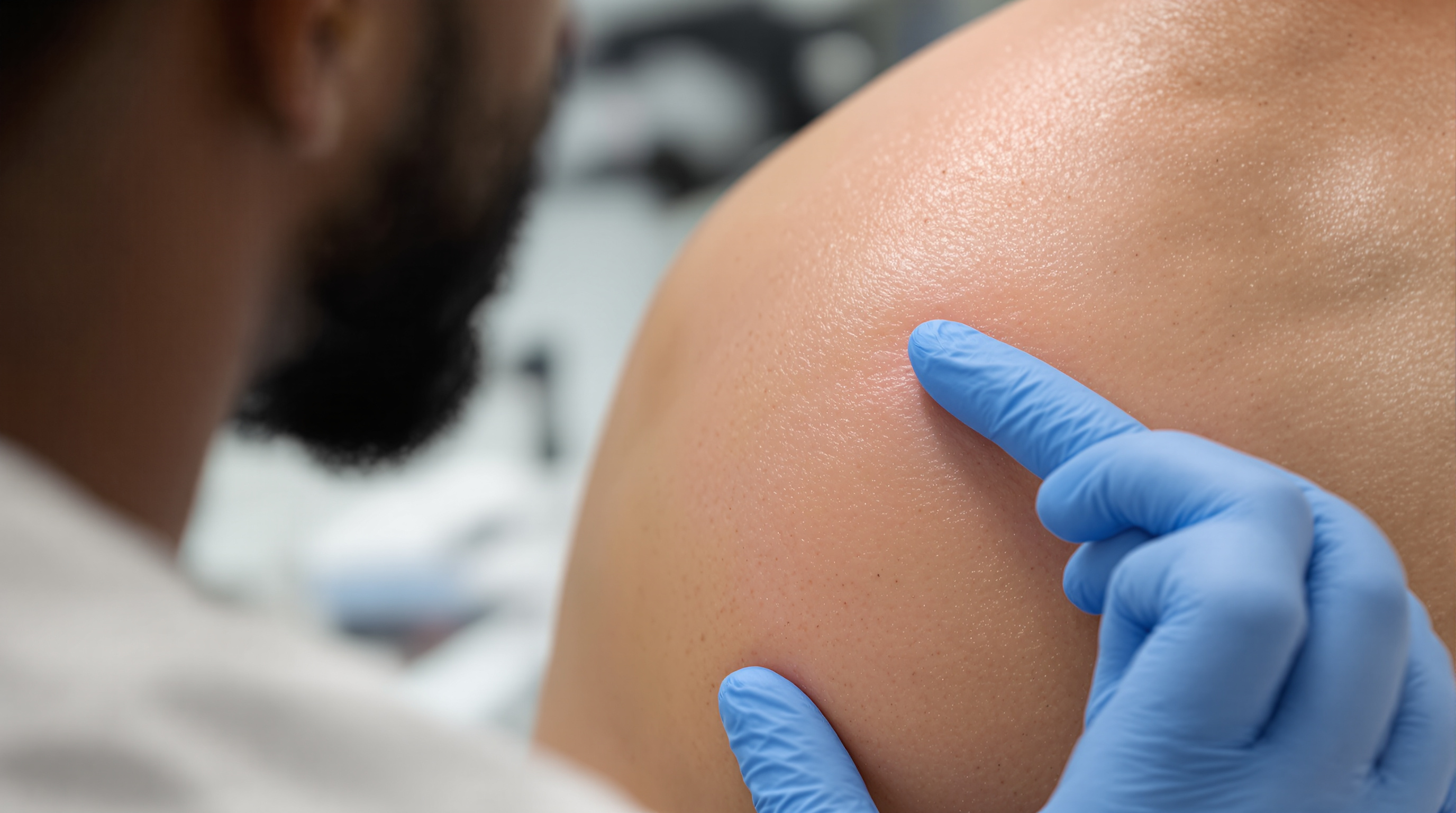
Walk down any drugstore acne aisle and you will see benzoyl peroxide products advertising their percentage like a badge of honor. A 10% wash sits next to a 4% cream, which sits next to a 2.5% gel, and the implicit message is clear: more active ingredient means more results. It is one of the most persistent assumptions in over the counter acne care, and it is largely wrong.
What benzoyl peroxide actually does
Benzoyl peroxide is an oxidizing agent. When it penetrates the follicle, it breaks down and releases free oxygen radicals that damage the cell membranes of Cutibacterium acnes, the bacterium that drives much of the inflammation in acne. Because the mechanism is oxidative rather than antibiotic, C. acnes cannot develop meaningful resistance to it, which is why dermatologists frequently pair it with topical or oral antibiotics to protect those drugs from resistance. Benzoyl peroxide also has a mild keratolytic effect, meaning it helps loosen the dead skin cells that plug pores.
The key detail is that this bacterial kill effect appears to saturate at relatively low concentrations. Comparative trials going back to the 1980s, including work published in the International Journal of Dermatology, compared 2.5%, 5%, and 10% formulations head to head. The reduction in inflammatory lesions was statistically similar across all three strengths. What differed, and differed substantially, was tolerability. The 10% groups reported significantly more redness, peeling, burning, and dryness.
Why more is not better
The explanation comes down to dose response. Once enough benzoyl peroxide reaches the follicle to suppress the local C. acnes population, additional drug does not kill bacteria that are already dead. The excess oxidative activity instead acts on your own skin: it degrades lipids in the skin barrier, depletes antioxidants like vitamin E in the stratum corneum, and triggers irritation that can itself look and feel like worsening acne.
That irritation matters clinically for two reasons. First, a compromised barrier is more reactive to everything else in a routine, including retinoids, which are often the other pillar of acne treatment. Second, irritation is the single biggest reason people quit topical acne therapy. A product you stop using at week three cannot outperform a gentler product you use consistently for twelve weeks, which is the realistic timeline for visible improvement.
Where formulation matters more than percentage
Two variables influence real world results more than the number on the box.
Contact time is the first. A 10% wash that sits on the skin for thirty seconds before rinsing may deliver less drug to the follicle than a 2.5% leave-on gel worn overnight. If you use a benzoyl peroxide cleanser, letting it sit for one to two minutes before rinsing improves delivery. Leave-on products at 2.5% to 5% are generally the more efficient vehicle.
The base is the second. Water based gels tend to be better tolerated than alcohol based gels. Some newer formulations use micronized particles, which improve follicular penetration and allow lower concentrations to perform well.
Practical guidance
If you are starting benzoyl peroxide, evidence supports beginning with a 2.5% leave-on formulation applied to the entire acne prone area, not just individual spots, since the goal is to suppress bacterial colonization broadly and prevent the next lesion, not only treat the current one. Apply a thin layer once daily, ideally after a plain moisturizer if your skin is sensitive, and expect some initial dryness during the first two weeks as the skin adapts.
A few realities worth knowing before you start. Benzoyl peroxide bleaches fabric, so use white pillowcases and towels. It can be combined with adapalene, and fixed dose combination gels exist for that reason, but stacking it with other exfoliating acids in the same routine raises irritation risk without clear added benefit. And roughly 1 to 2% of people develop true contact allergy to it, which presents as intense itching, swelling, or spreading rash rather than ordinary dryness. That pattern warrants stopping the product and seeing a clinician.
The bottom line
The belief that 10% benzoyl peroxide is four times stronger than 2.5% confuses concentration with effect. The antibacterial benefit plateaus early, while the irritation climbs steadily with dose. For most people, a 2.5% to 5% leave-on product used every day, given a full eight to twelve weeks, will match the clearance of the strongest formulations with a fraction of the barrier damage. In acne treatment, as in much of dermatology, the winning strategy is rarely maximum intensity. It is the tolerable routine you can actually sustain.
Related reading: Stronger Is Not Better: What the Evidence Says About Benzoyl Peroxide Concentrations.