
Field Notes · July 1, 2026 · 6 min · By Liliana Voss
Acne mechanica: when friction and sweat cause breakouts
Helmets, straps, masks, and sweaty workouts can trigger a specific kind of acne, and it responds to specific fixes.
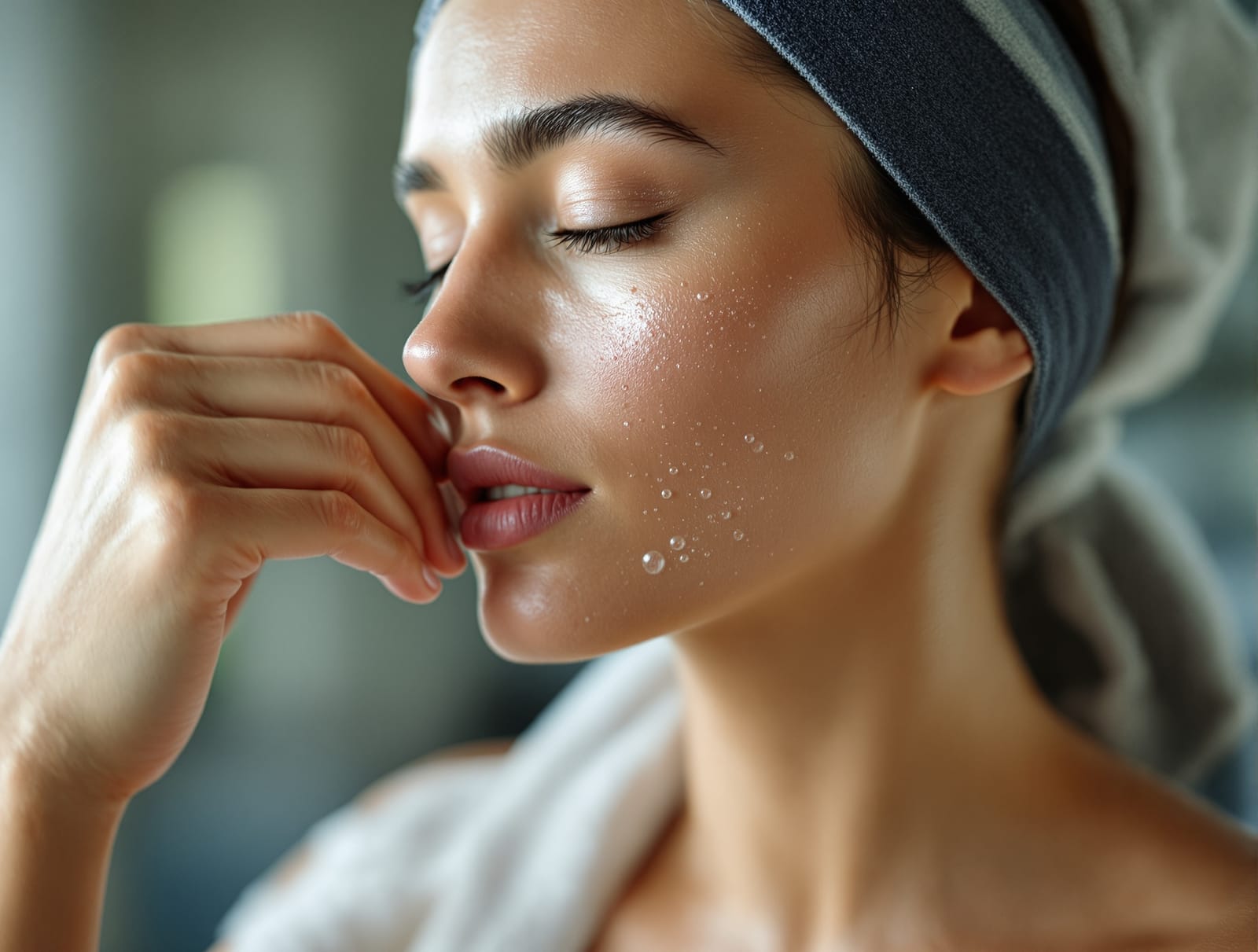
If your breakouts map to where a chin strap sits, where a backpack presses, or where a face mask hugs your cheeks, you may not be dealing with ordinary acne at all. You are likely looking at acne mechanica, a form of acne triggered by repeated friction, pressure, heat, and trapped sweat against the skin. It is well recognized in athletes, and it surged into public awareness during the mask-wearing years, when clinicians started calling the jawline-and-cheek variant maskne.
What actually causes it. The mechanism is mechanical, as the name suggests. Constant rubbing and occlusion irritate the follicle, and the warm, humid microclimate created under gear or fabric encourages pores to clog. This is a different chain of events from the hormonal and genetic drivers behind most acne, though the two often overlap. The American Academy of Dermatology notes that friction from sports equipment, tight clothing, and straps is a classic trigger, and that heat and sweat make it worse. It shows up most on the forehead, chin, shoulders, back, and anywhere a strap, pad, or collar makes firm contact. Because the root cause is physical, no amount of aggressive scrubbing will fix it, and scrubbing usually inflames the irritated skin further. This is the same trap described in acne is not a hygiene problem: the reflex to clean harder makes reactive skin worse.
Why athletes and helmet-wearers are prime candidates. Any activity that combines pressure, heat, and sweat is a setup. Football and hockey players get it under chin straps and shoulder pads. Cyclists and construction workers get it along helmet lines. Violinists get a patch on the jaw. Runners get it where a sports bra band or backpack strap sits. The Mayo Clinic groups sweat and tight-fitting headgear among the everyday factors that can worsen acne, and the pattern is usually the giveaway: breakouts that follow the outline of equipment rather than the diffuse spread of hormonal acne.
The fixes that actually work. The good news is that acne mechanica is one of the more controllable forms of acne, because you can often reduce the trigger directly.
Start with the mechanics. Wear a clean, moisture-wicking layer under helmets, pads, and straps, and choose loose, breathable fabrics where you can. Wash gear liners and anything that touches your skin regularly. When possible, take short breaks to let the skin breathe and cool. Small changes to fit and material frequently do more than any product.
Just as important is what you do right after sweating. Rinse or cleanse gently within a reasonable window after a workout to clear away trapped sweat and oil, using a mild, fragrance-free cleanser rather than a harsh astringent. Then treat the area with a proven active. Salicylic acid, a beta-hydroxy acid that penetrates oil and helps unclog pores, is well suited to friction-prone areas. Benzoyl peroxide is another strong option, and it does double duty against acne-causing bacteria; if you are new to it, benzoyl peroxide is still underrated explains how to use it without the bleaching and dryness. A topical retinoid at night keeps pores from clogging in the first place and is a sensible backbone for anyone prone to recurrent breakouts.
Protect the barrier while you treat. It is tempting to layer every active you own onto an angry patch, but skin that is already irritated by friction needs restraint. A gentle cleanser, one active at a time, and a bland moisturizer will clear acne mechanica faster than a stripped, stinging barrier will. The full logic is in how to treat acne without wrecking your skin barrier, and it applies doubly here, because mechanical irritation and chemical over-treatment compound each other.
When to see a dermatologist. If the breakouts are deep, painful, or leaving marks, or if reducing friction and using over-the-counter actives for six to eight weeks has not helped, a dermatologist can add prescription-strength options and rule out other causes. The National Institutes of Health, through its health information resources, emphasizes that persistent or scarring acne warrants professional care rather than indefinite self-treatment. Acne mechanica is treatable, and the earlier you address it, the less likely it is to leave marks behind.
Related reading: Acne is not a hygiene problem.