
Explainer · July 6, 2026 · 6 min · By Quentin Asare
Does makeup cause acne? What acne cosmetica really is
Makeup gets blamed for a lot of breakouts it did not cause, and quietly drives some it never gets credit for. The specific, well-documented way cosmetics clog pores, why the non-comedogenic label promises less than you think, and how to wear makeup over acne-prone skin without feeding the cycle.
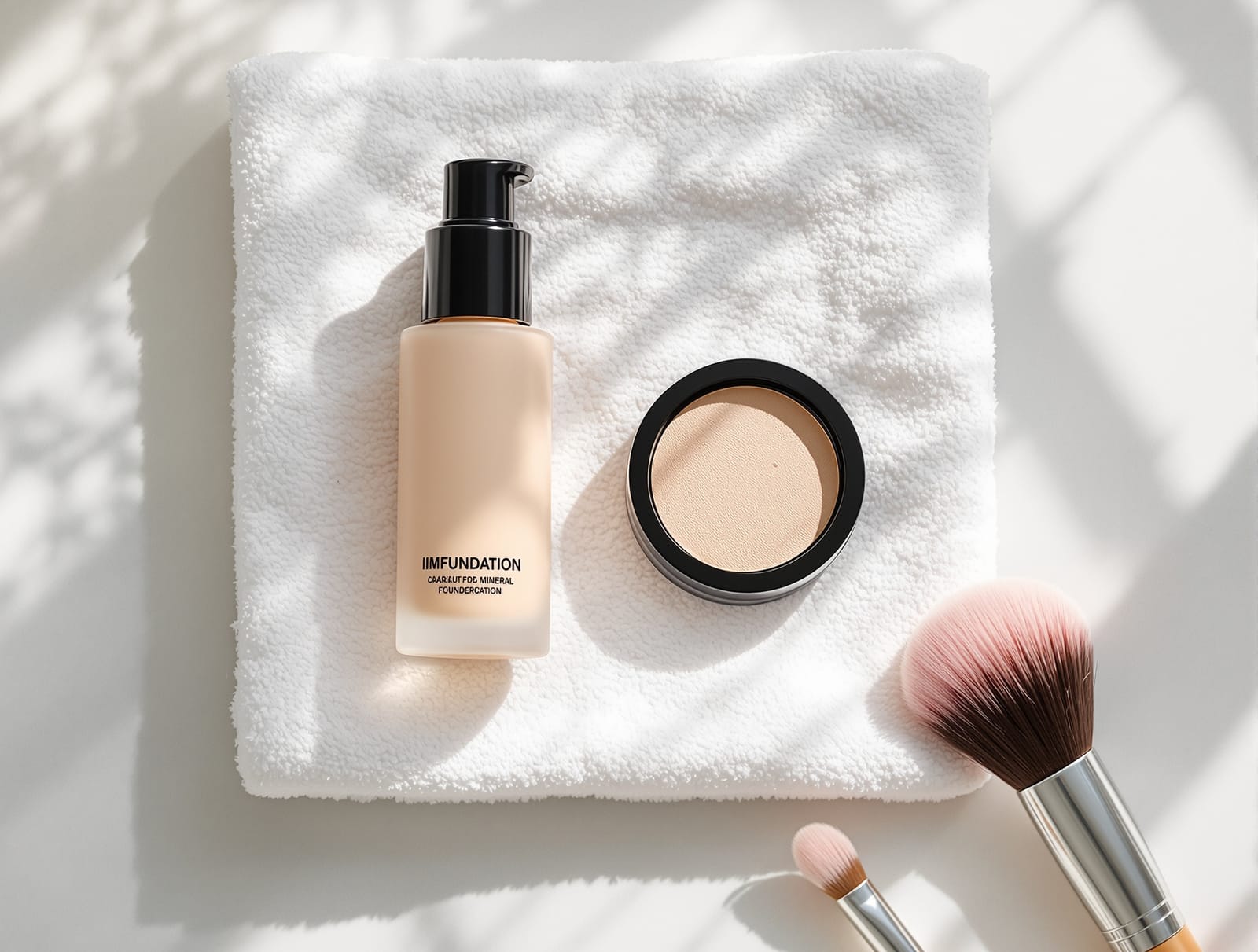
Ask anyone with acne whether their makeup is making it worse and you will get an anxious shrug. The question is older than most of the products on the shelf, and the honest answer has two halves. Makeup does not cause the hormonal, genetic disease that drives most acne. But cosmetics can absolutely trigger a specific, well-documented pattern of breakouts, and the label that is supposed to protect you from it means far less than most people assume.
Acne cosmetica is real, and it is specific. Dermatologists described the pattern more than fifty years ago and gave it a name: acne cosmetica, breakouts caused by pore-clogging cosmetic products. It has a recognizable signature. The lesions are small, uniform, closed comedones and fine bumps rather than deep, painful cysts. They show up where the product goes, cheeks and forehead under foundation, the hairline under styling products, the jaw under heavy sunscreen or primer. And the timeline is slow: because a clog takes weeks to mature into a visible bump, a pore-clogging product can take one to two months to show its work, long after you have stopped suspecting it. That delay is why people rarely connect the new foundation in March to the congested cheeks in May.
What makeup cannot do. What cosmetics do not do is create acne out of nothing. The disease behind most persistent breakouts runs on oil production, hormones, and how your follicles shed, which is why acne is not a hygiene problem and not a makeup problem either. Deep, tender jawline lesions that flare with your cycle are hormonal, and they will keep arriving whether you wear a full face or none at all. Blaming the concealer you use to cover them mistakes the messenger for the cause. The practical distinction: makeup-driven breakouts are shallow, clustered where product sits, and improve within several weeks of stopping the product. Acne that ignores those rules has another driver.
The trouble with the non-comedogenic label. Here is the part the packaging will not tell you. The U.S. Food and Drug Administration does not define or regulate the term non-comedogenic, a point the agency makes plainly in its guidance on cosmetic labeling claims. Any brand can print it, and there is no standard test a product must pass first. The historical tests that do exist, mostly ingredient assays on rabbit ears decades ago, tested single ingredients at high concentrations, not finished formulas at real-world doses. A formula containing a flagged ingredient at two percent may be harmless; a product full of innocent-sounding ingredients can still clog. Treat the label as a rough starting filter, not a guarantee, and treat your own skin's response over six to eight weeks as the only test that counts.
How to wear makeup over acne-prone skin. The American Academy of Dermatology's advice on wearing makeup with acne is refreshingly practical, and it converges on a short list. Choose products labeled non-comedogenic or oil-free as your starting pool, favoring lighter formulas over full-coverage occlusive ones where you can. Take all of it off before bed, every night, with a gentle cleanser rather than an aggressive scrub; sleeping in makeup gives an occlusive film eight uninterrupted hours against your pores. Wash brushes and sponges weekly, because applicators accumulate oil, dead skin, and bacteria and then massage them back into your face. Do not share makeup or applicators. And replace old products on schedule, since preservative systems fail with time. None of this is glamorous, and together it removes most of the cosmetic contribution to breakouts.
Makeup can be part of the treatment plan. The reflexive advice to just stop wearing makeup ignores something clinicians increasingly take seriously: acne is visible, and covering it measurably improves quality of life while treatment does its slow work. The Mayo Clinic's overview of acne treatment treats cosmetic camouflage as a legitimate companion to therapy, not a cheat. There are even points where makeup helps directly. A tinted mineral sunscreen adds visible-light protection that plain SPF lacks, which matters for anyone fading the dark marks acne leaves behind. The order of operations matters: treatment actives first on clean skin, moisturizer, sunscreen, then makeup on top. Actives layered over foundation reach the foundation, not the follicle.
A simple experiment when you are not sure. If you suspect a product, you do not need a lab. Stop the suspect for six weeks while changing nothing else, and watch the zone where it was applied. Shallow congestion that clears implicates the product. Breakouts that continue on schedule acquit it, and your attention belongs on actual treatment instead. Whatever you learn, resist the urge to respond with harsher cleansing and a pile of new actives, because a stripped barrier breaks out more easily under any makeup, as covered in how to treat acne without wrecking your skin barrier.
The bottom line. Makeup neither causes acne nor gets a free pass. Cosmetic-driven breakouts are real, shallow, slow to appear, and traceable to specific products, and the non-comedogenic label is marketing until proven otherwise on your own face. Pick lighter formulas, keep applicators clean, take it all off at night, and let makeup do the one job it does well while the actual treatments do theirs.
Related reading: Do pimple patches actually work?.