
Explainer · July 6, 2026 · 6 min · By Quentin Asare
Do pimple patches actually work?
Hydrocolloid patches have taken over the skincare aisle, and the honest answer is that they do one job well and several jobs not at all. What the dressing science supports, what the marketing adds, and how to use them without wasting money.
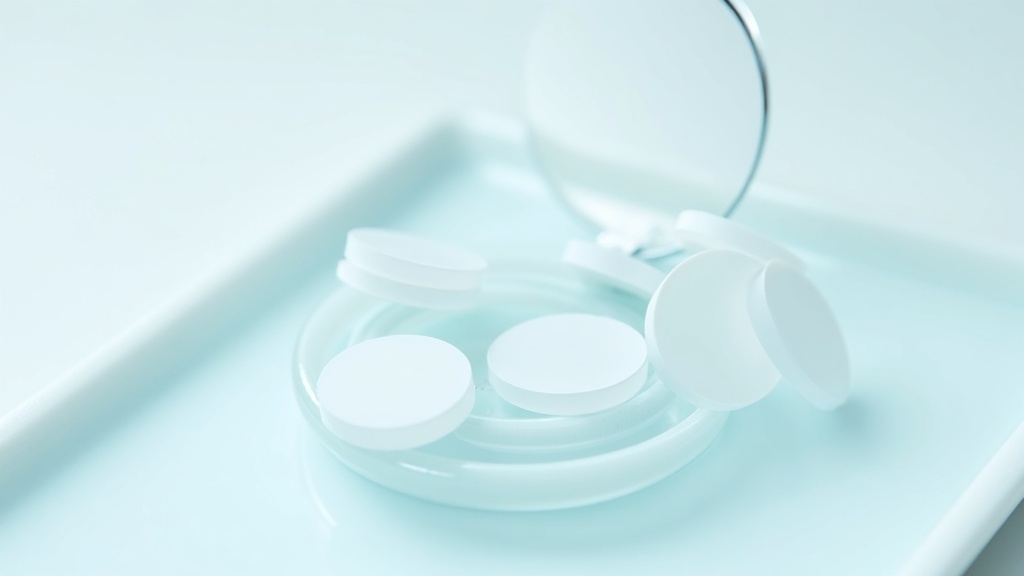
The pimple patch is the rare skincare product that went from niche to ubiquitous in under a decade. Small hydrocolloid stickers now sit at every pharmacy checkout, promising to shrink a blemish overnight. The claim sounds like classic beauty-aisle exaggeration, but the underlying technology is borrowed from something unglamorous and well studied: wound dressings. That origin is the key to understanding both what patches genuinely do and where the marketing runs ahead of the evidence.
What a hydrocolloid patch actually is. Hydrocolloid dressings have been used in wound care for decades. The material contains gel-forming agents, typically pectin or carboxymethylcellulose, layered onto a thin waterproof film. Applied to broken or weeping skin, the dressing absorbs fluid and swells into a soft gel, keeping the wound moist while sealing out bacteria, friction, and picking fingers. Moist wound healing is one of the better-established principles in dermatology, and it is the entire mechanism of the pimple patch. Nothing about the format is acne-specific. A patch is a miniature wound dressing cut into a circle.
What patches do well. For one specific lesion type, the open or recently popped pimple that is leaking fluid, patches are legitimately useful. The hydrocolloid absorbs the exudate, which is why the patch turns white overnight, and the sealed environment supports the skin as it repairs. Just as important is what the patch physically prevents. It stops you from touching, squeezing, and re-traumatizing the spot, and picking is one of the most reliable ways to turn a short-lived pimple into a months-long dark mark or a permanent scar. The patch also covers the lesion so sunscreen, makeup, and pillowcases stay off it. For people who cannot keep their hands away from their face, the barrier function alone justifies the purchase. Dermatologists who recommend patches usually recommend them for exactly this reason: harm reduction, not treatment.
What patches do not do. A plain hydrocolloid patch has no effect on the biology of acne. It does not unclog pores, kill Cutibacterium acnes, calm hormonal oil production, or reach a deep cystic lesion that has no opening at the surface. Stick a patch on a closed comedone or an early cyst and you have applied an expensive circle of plastic to skin that cannot deliver it anything to absorb. This is the most common way patches disappoint: they get used as treatment for the kinds of lesions they cannot touch. Deep, painful nodules need real intervention, and a pattern of them needs a clinician; the options run from prescription topicals to isotretinoin for severe or scarring cases.
The medicated versions are a mixed bag. Manufacturers now sell patches loaded with salicylic acid, tea tree oil, or niacinamide, and microdart patches that use tiny dissolving needles to carry ingredients slightly deeper. The logic is reasonable, and small industry-funded studies on microdart patches show modest improvements, but the doses involved are far below what a standard topical delivers. A salicylic acid patch holds a fraction of the active you would get from a normal application of a two percent product. Medicated patches also reintroduce the irritation and allergy risk that plain hydrocolloid avoids, which matters because the skin under an occlusive seal absorbs more of whatever sits against it. If you react to fragrance or essential oils, an occluded dose of tea tree oil is a bad trade. Plain hydrocolloid remains the sensible default.
How to use them properly. Apply to clean, dry, product-free skin, because actives trapped under occlusion can irritate and moisturizer keeps the adhesive from sticking. Reserve patches for lesions that have come to a head or have already broken open. Leave the patch on for six to eight hours or overnight, and replace it rather than reusing it. If you use a retinoid, skip it under the patch. And treat the patch as a spot tool inside a real routine, not the routine itself. Acne is a follicular disease that forms lesions weeks before they surface, so prevention still belongs to the proven daily actives, the retinoids that keep pores from clogging and the benzoyl peroxide that controls bacteria.
The verdict. Pimple patches work, narrowly. They are excellent at protecting an open blemish, absorbing fluid, and blocking the picking that causes lasting damage, and they are useless against the closed, deep, or hormonal acne that makes up most of the frustrating cases. Buy the plain ones, use them on the right lesions, and let the daily routine do the actual treating. A patch is a seatbelt, not an engine.
Related reading: How to treat acne without wrecking your skin barrier.